NAB Show 2026 Recap: The Rise of Content Infrastructure, Intentional AI, and Scalable Storytelling
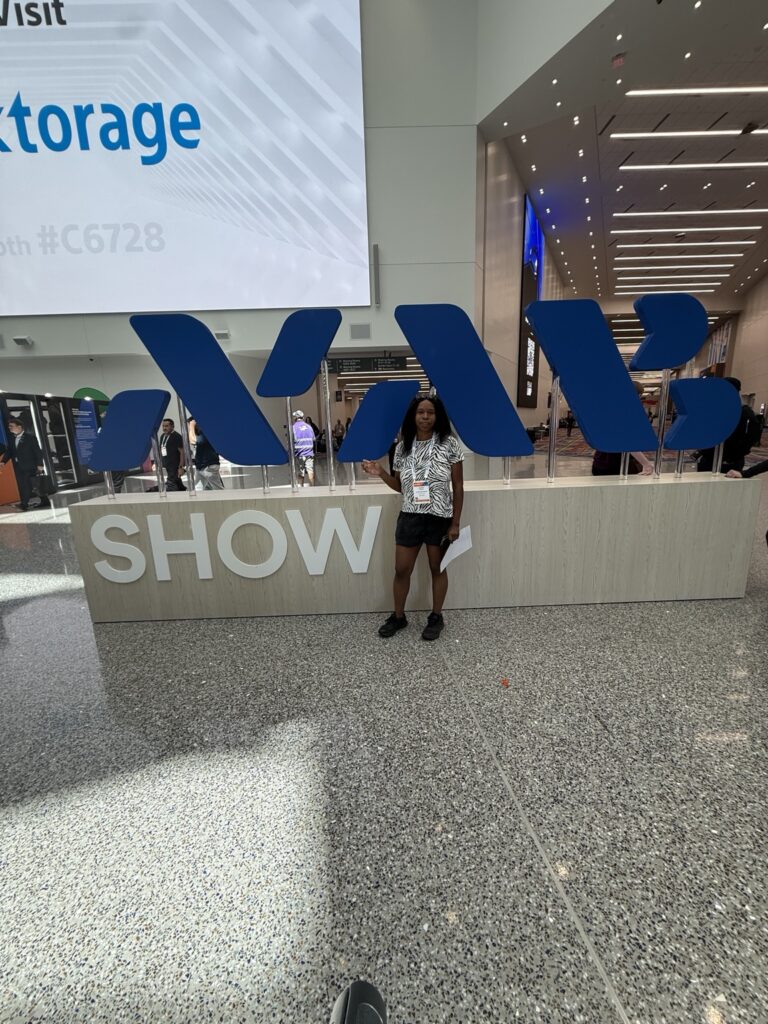
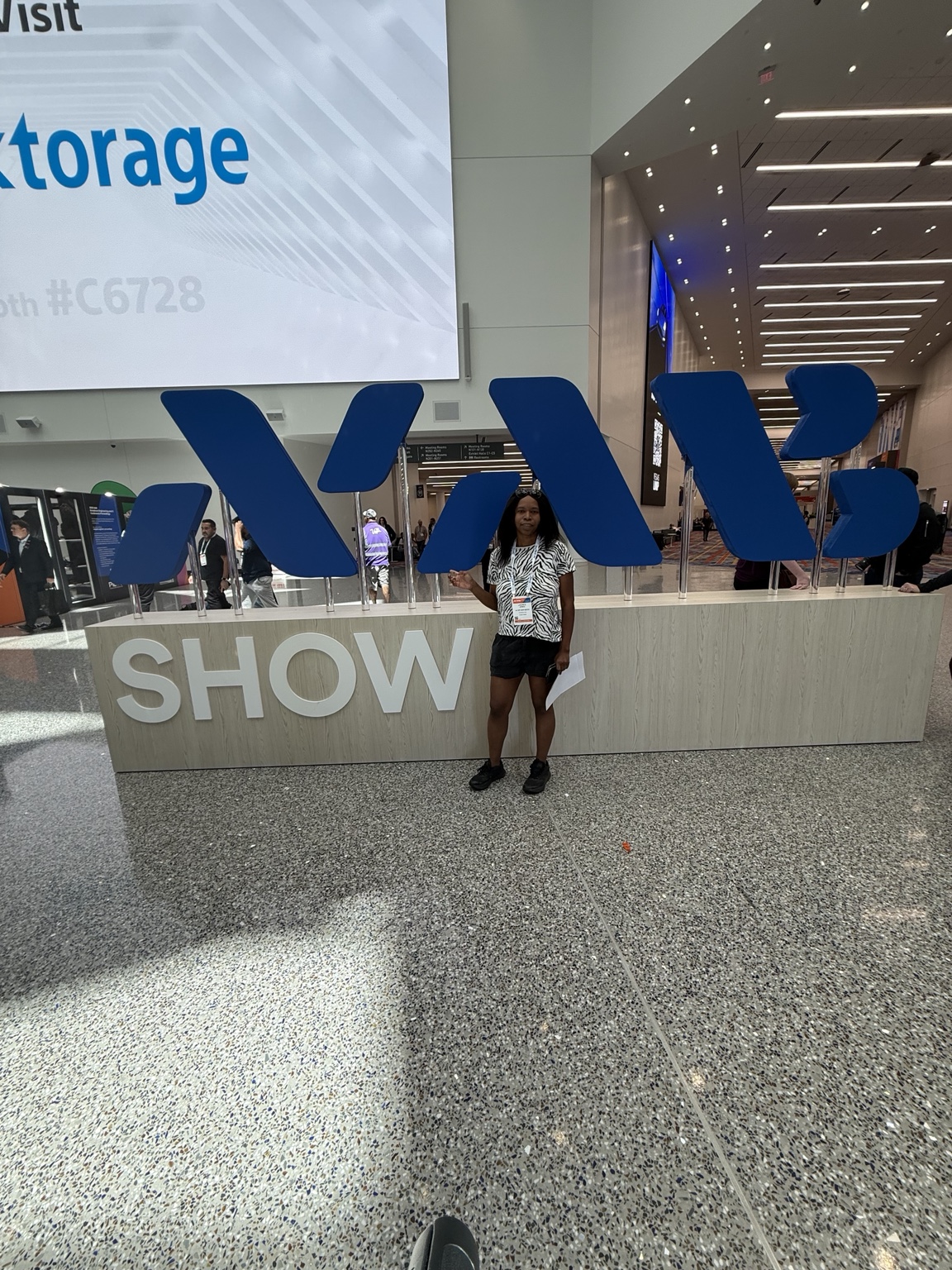
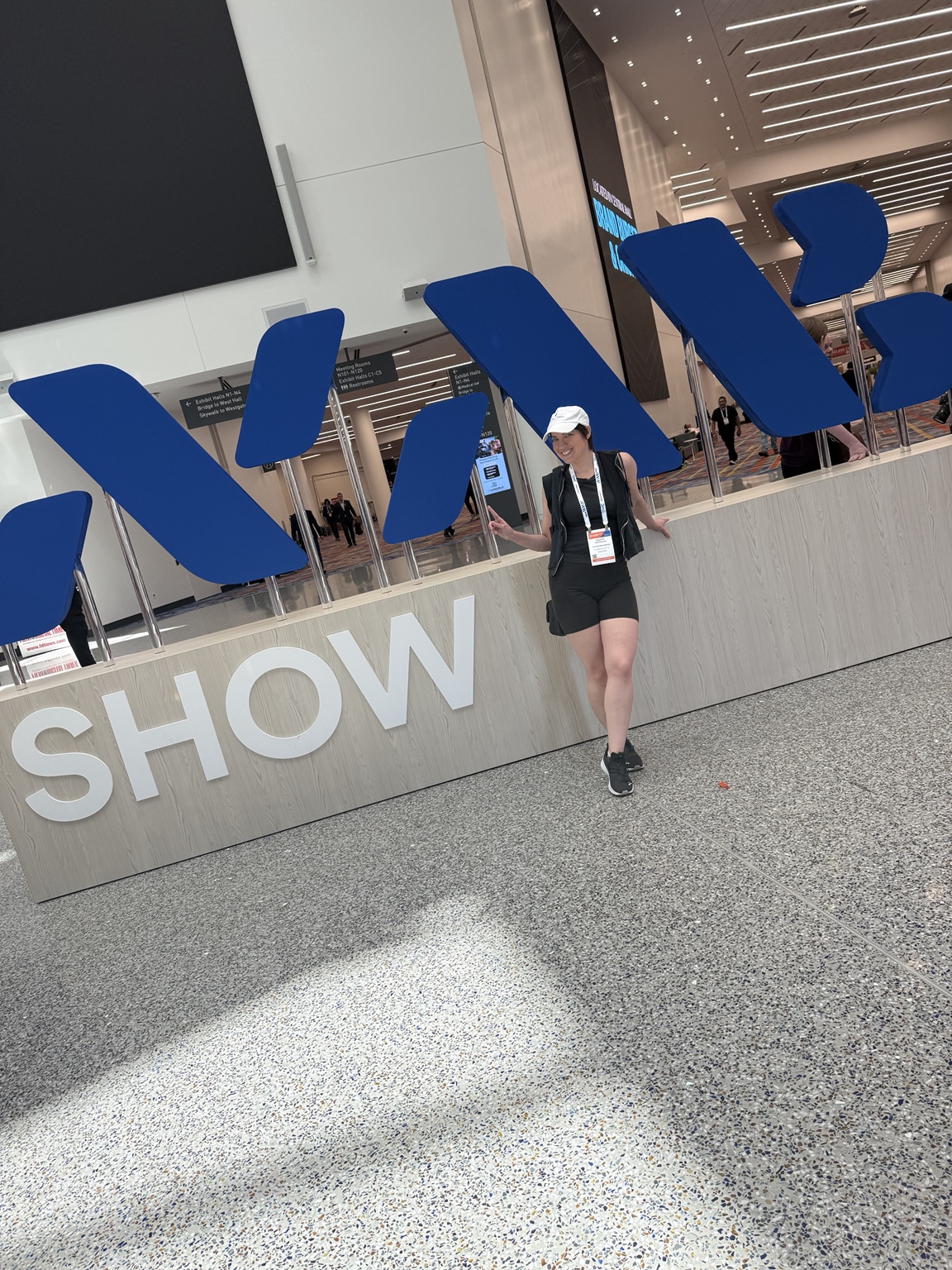
Las Vegas, Nevada–NAB Show 2026 made one thing unmistakable: the media industry has moved past debating what content to create. The real competition now happens at the system level, where infrastructure, intelligent workflows, and operational architecture determine who wins. NAB (which stands for National Association of Broadcasters) Show is definitely where media, entertainment, and storytelling converge.
Content Infrastructure Has Become the New Competitive Advantage
For years, the content lifecycle followed a predictable arc: produce, edit, distribute. That model has collapsed under the weight of its own limitations. At NAB Show 2026, the industry wasn’t debating whether that model works anymore. It was showcasing what replaces it.
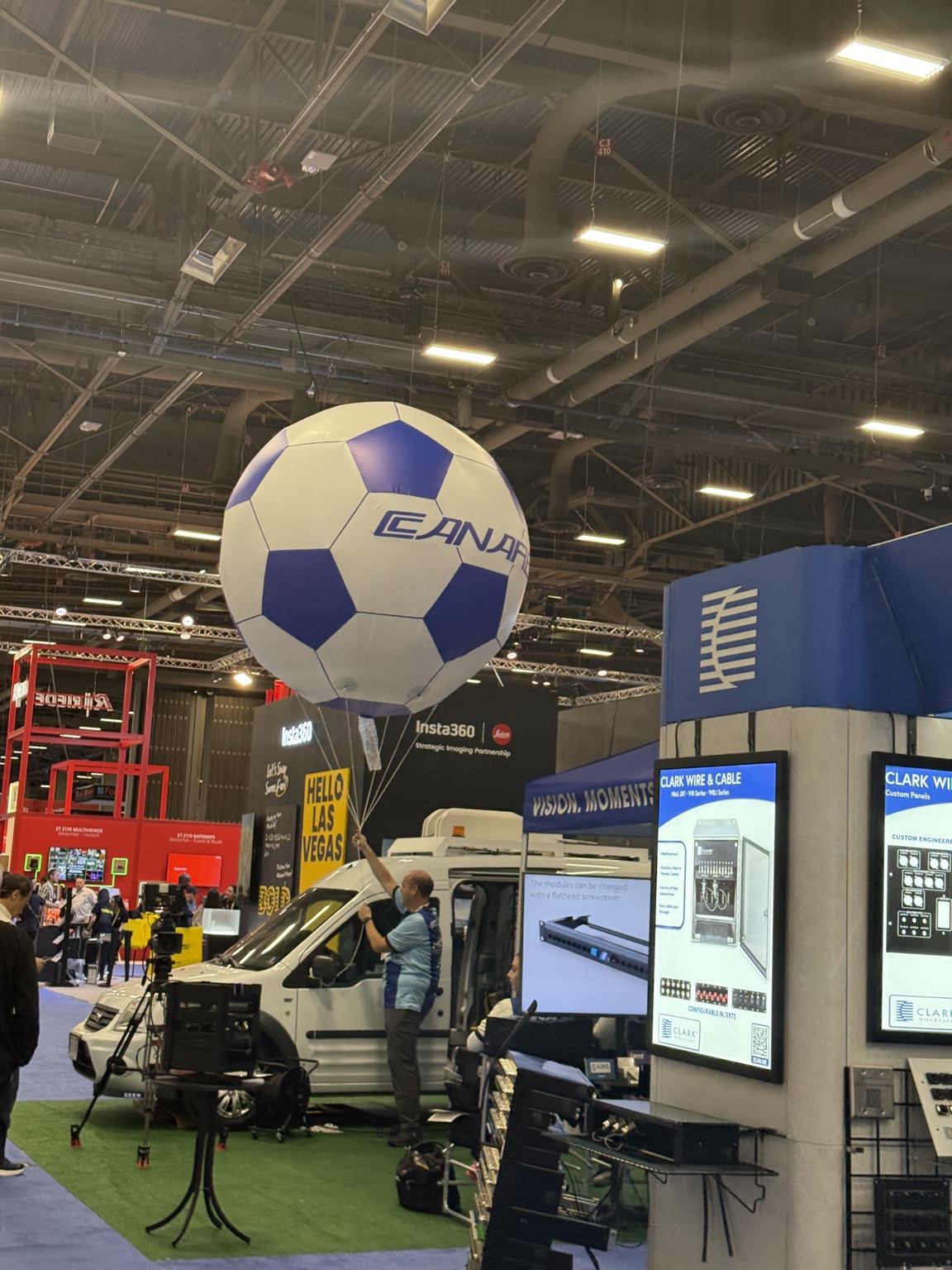
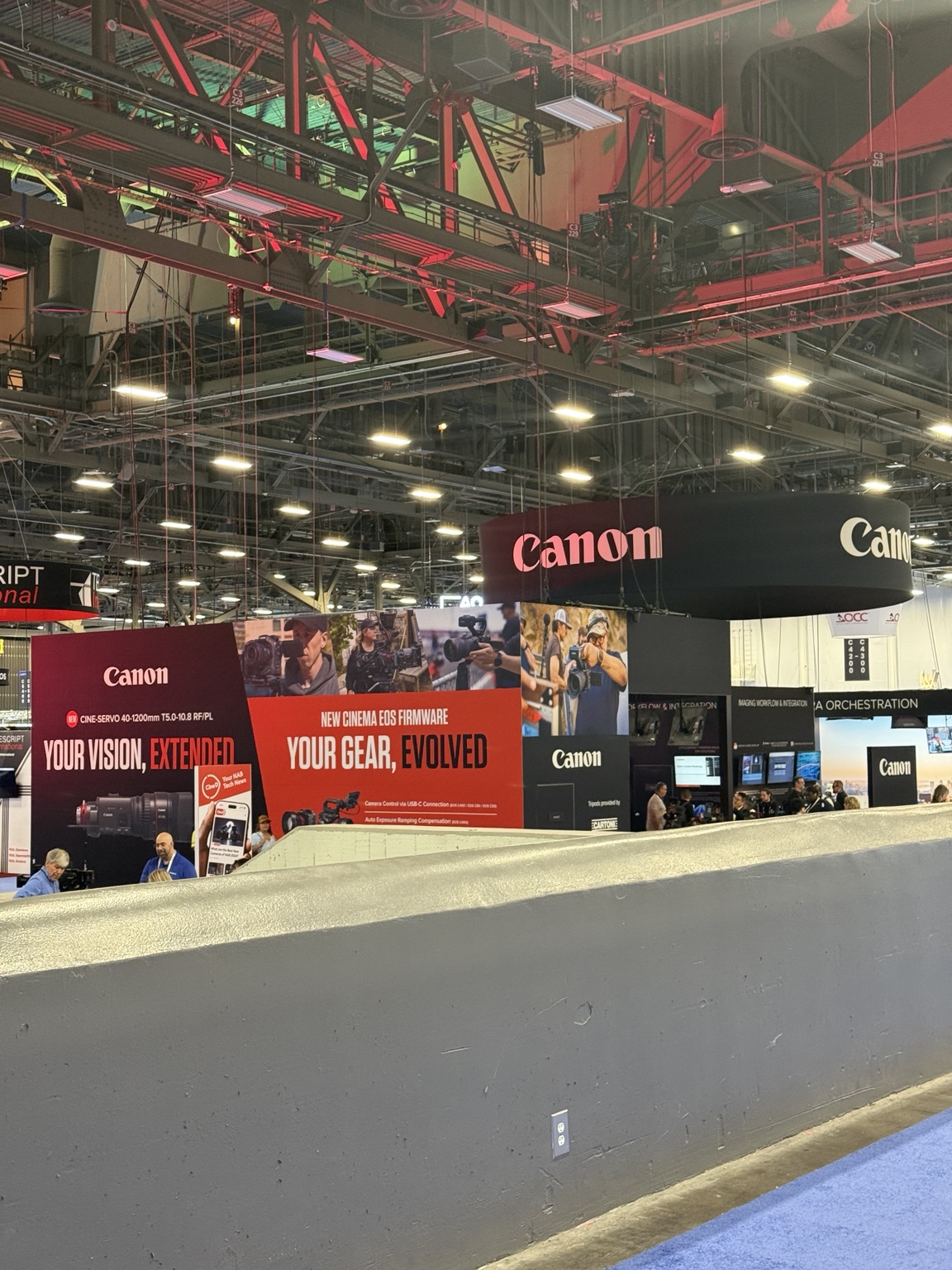
From the floor at the Las Vegas Convention Center, a clear picture emerged. The companies pulling ahead are no longer just building better cameras or faster editing software. They are building ecosystems. The conversation has shifted from tools to architecture, and from output to operational continuity.
The Ecosystem Era
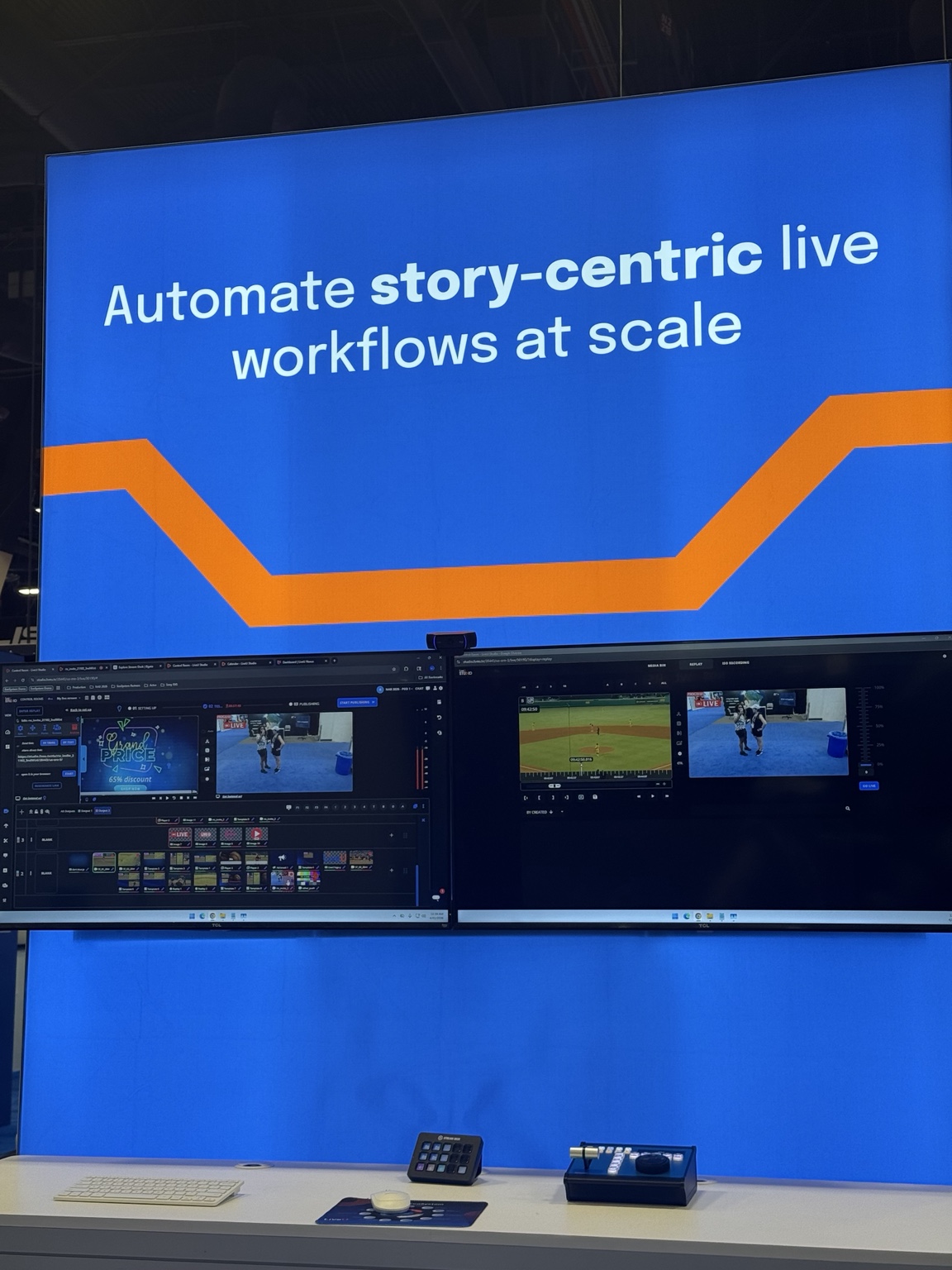
The dominant theme across booths was both automation and integration. Creation, storage, collaboration, rights management, and publishing are no longer separate departments running on separate systems. They are becoming a single, continuous pipeline.
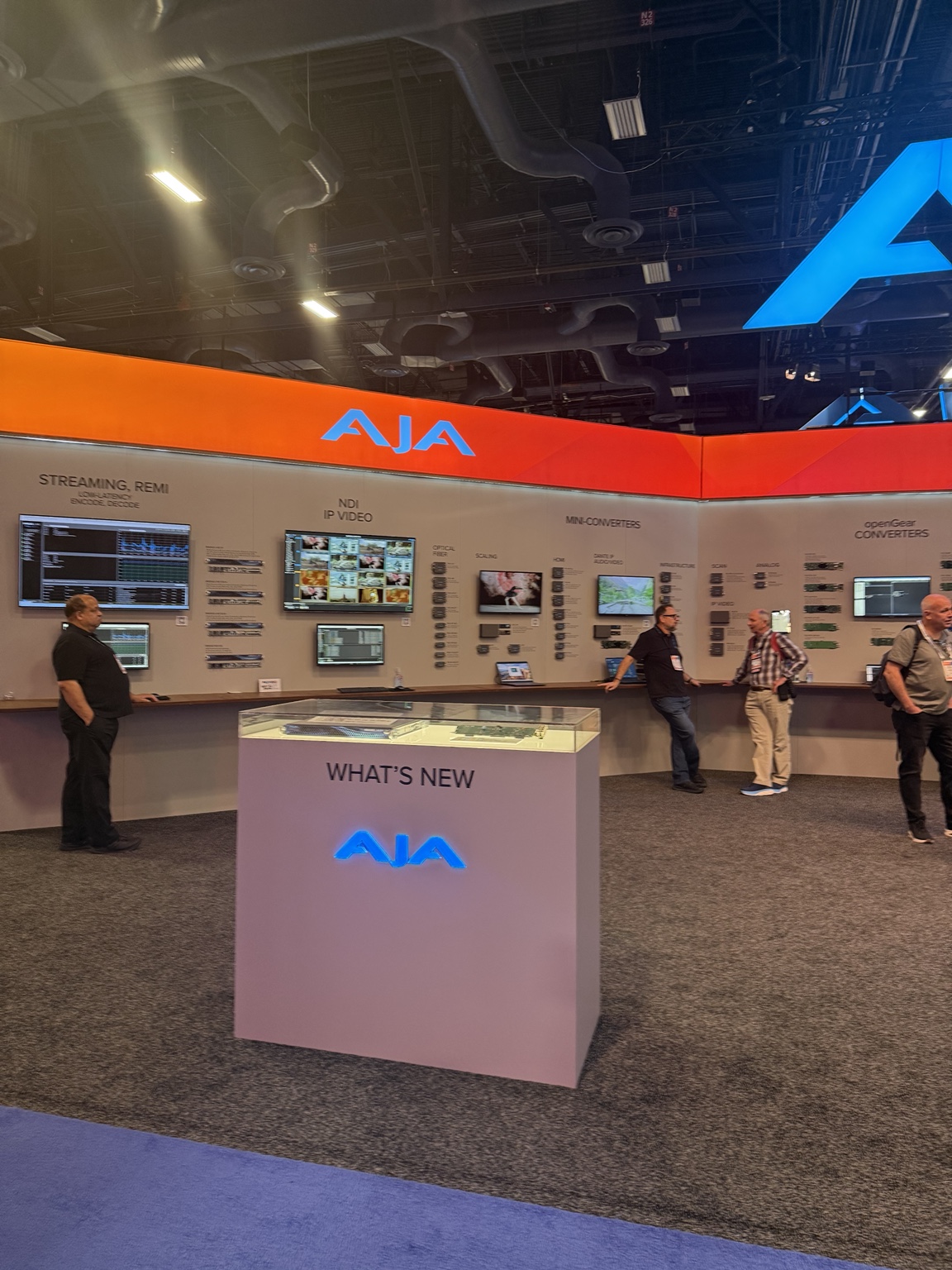
Facilis demonstrated how storage, asset management, and remote access are converging into unified production environments built for high-volume throughput. AJA showcased IP video and streaming workflow advances that reinforce an industry-wide move toward real-time, flexible production at scale. Even traditional broadcast institutions like EVS are evolving their offer, building out full ecosystem capabilities that span live replay, content management, and production robotics designed to compress turnaround time without sacrificing storytelling quality.
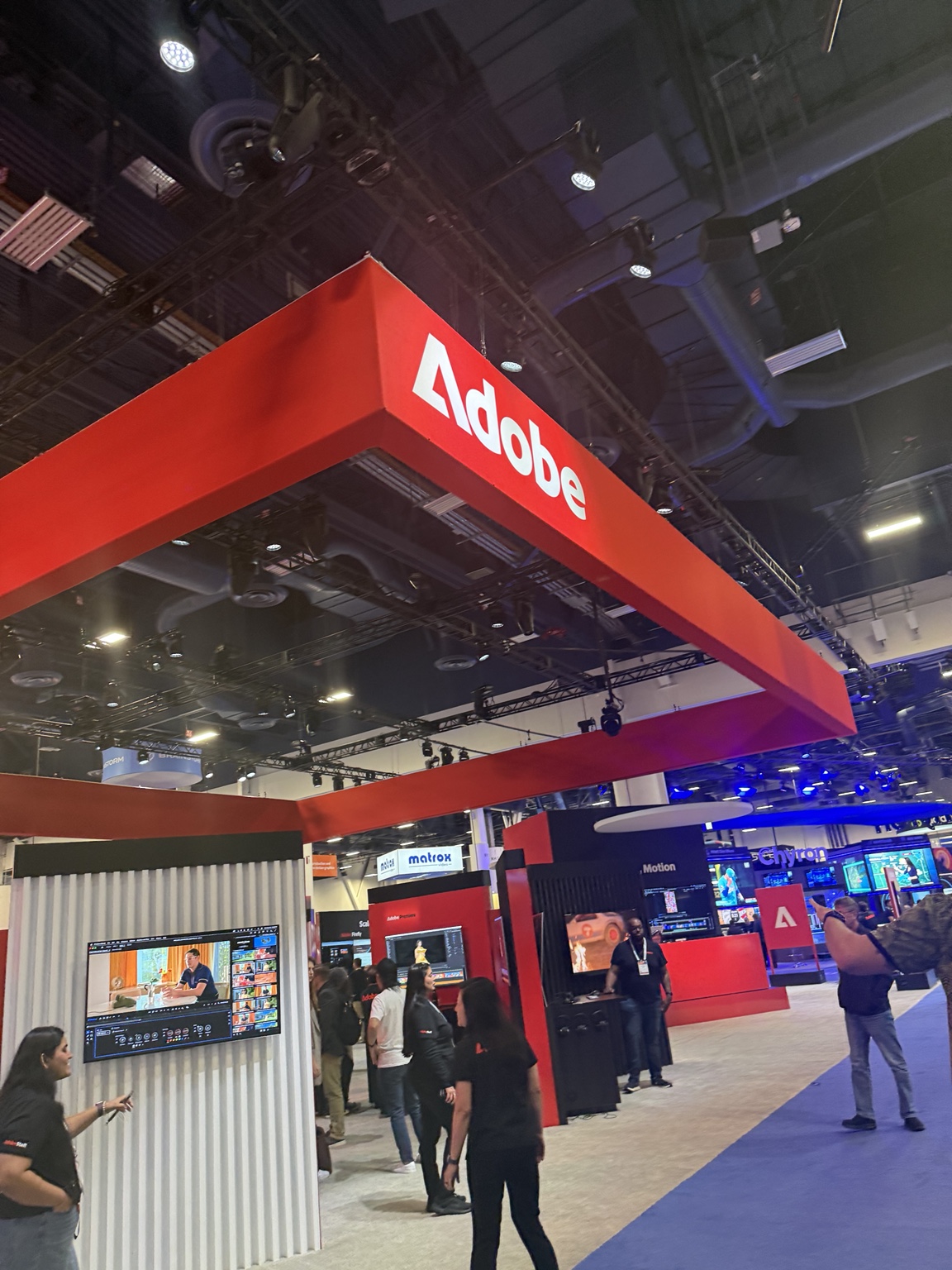
Adobe, long the standard-bearer for creative tooling, continued expanding its ecosystem play, reinforcing that the creative suite is now inseparable from the broader production and distribution pipeline.
Scale That Breaks Traditional Workflows
The numbers tell the story most efficiently. Backlight, the parent company behind both Iconik and Wildmoka, reported that media teams are now adding over 11 terabytes of content every hour. Globally, nearly 903 million assets are under management across its platform.
11 TBof new media added per hour across Backlight’s global platform
At that volume, manual workflows stop being inefficient. They stop working entirely. Content gets lost, duplicated, or left sitting in storage without ever generating value. The problem isn’t production. The problem is activation.
The real value of AI isn’t generating more content. It’s unlocking the value of everything that’s already been created.
AI Applied with Intention
Artificial intelligence was everywhere at NAB 2026. But the most important story wasn’t about generative tools or automated production. It was about where AI is actually making operations smarter.
Iconik’s Infrastructure-First Approach
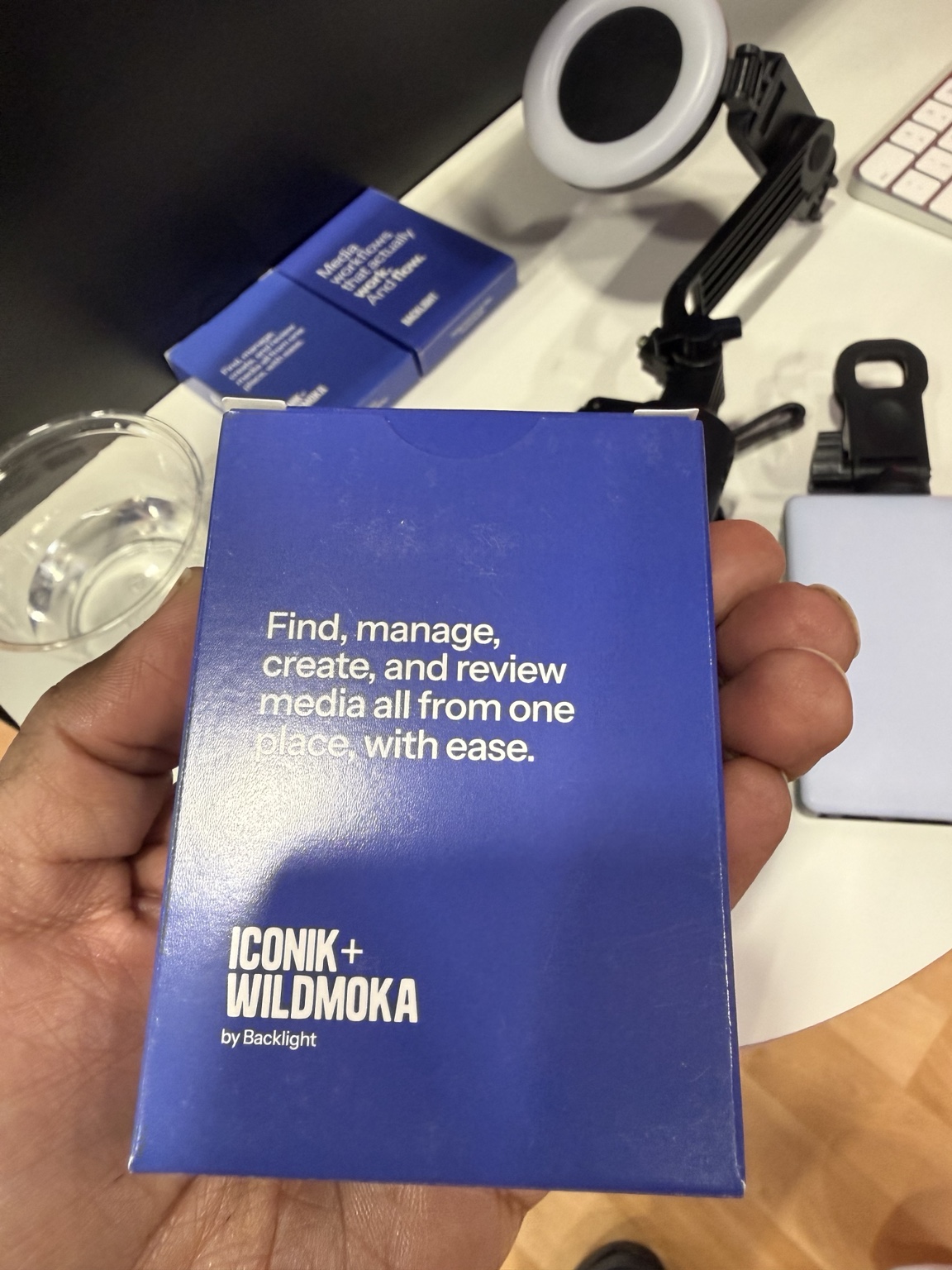
Rather than positioning AI as a content creation replacement, Iconik is deploying it at the asset management layer. AI-powered metadata generation enriches content automatically. Face recognition, object detection, and transcription improve searchability across massive libraries. LLM-driven tools suggest metadata based on existing context, and automation handles tagging and categorization at a volume no human team can sustain.
The result is a system where teams can find the right asset instantly, repurpose content across platforms without starting from scratch, and maintain rights, metadata, and context throughout the full content lifecycle without fragmentation.
This is what practical, well-scoped AI looks like in production environments: supporting human decision-making rather than attempting to replace it.
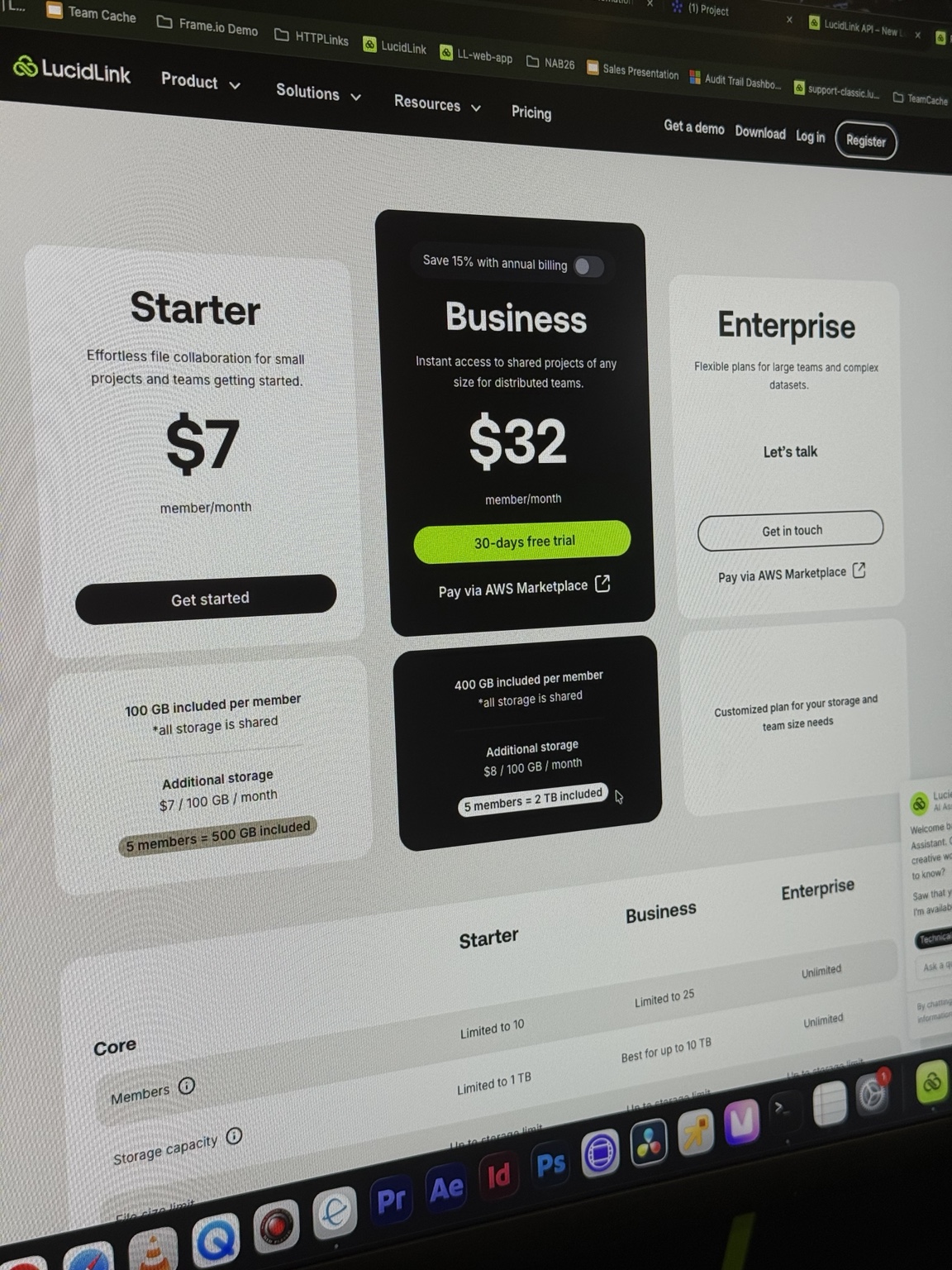
LucidLink handles the heavy lift, streaming high-resolution media directly from the cloud as if it’s sitting on a local drive. Iconik layers on top of that with intelligence: indexing every asset automatically, making it instantly searchable, and enabling collaboration across teams without needing access to the underlying storage.
What makes LucidLink interesting is how seamlessly it works alongside Backlight’s Iconik. Together, they create a workflow that feels less like “tools” and more like a fully connected system.
The result is a true “edit anywhere” environment. Teams can open, edit, and share massive files in real time through LucidLink, while Iconik organizes, tags, and surfaces that content through AI-driven metadata and search.
Where this gets especially interesting, and where it stood out at NAB, is how intentional the workflow feels. Instead of forcing AI into every step, Iconik uses it where it actually adds value: automatically generating metadata, creating proxies for fast review, and making content discoverable at scale. Meanwhile, LucidLink ensures the original, high-res files are always accessible without slowing teams down.
It’s a clean division of roles:
- LucidLink = access and performance
- Iconik = intelligence and organization
Together, they eliminate one of the biggest pain points in media production: moving files. Instead, everything lives in a single, connected ecosystem where content is instantly accessible, searchable, and usable. No downloads, no duplication, no friction.
That’s really the shift here: not just cloud storage or MAM, but a unified workflow where creative teams can move faster because the infrastructure finally makes sense.
Closing the Gap Between Production and Publishing
One of the most forward-looking demonstrations at NAB came from the combined capabilities of Iconik and Wildmoka, both operating under the Backlight umbrella. Together, they connect media management directly to publishing in a continuous workflow that eliminates the handoff gap where context and speed traditionally get lost.
Teams can clip live content using AI-identified points of interest, automatically generate captions, reformat content for vertical platforms, and publish directly to social and digital channels without exporting files. Production and distribution no longer run on separate tracks. Content is created, delivered, and continuously activated.
Return on Emotion
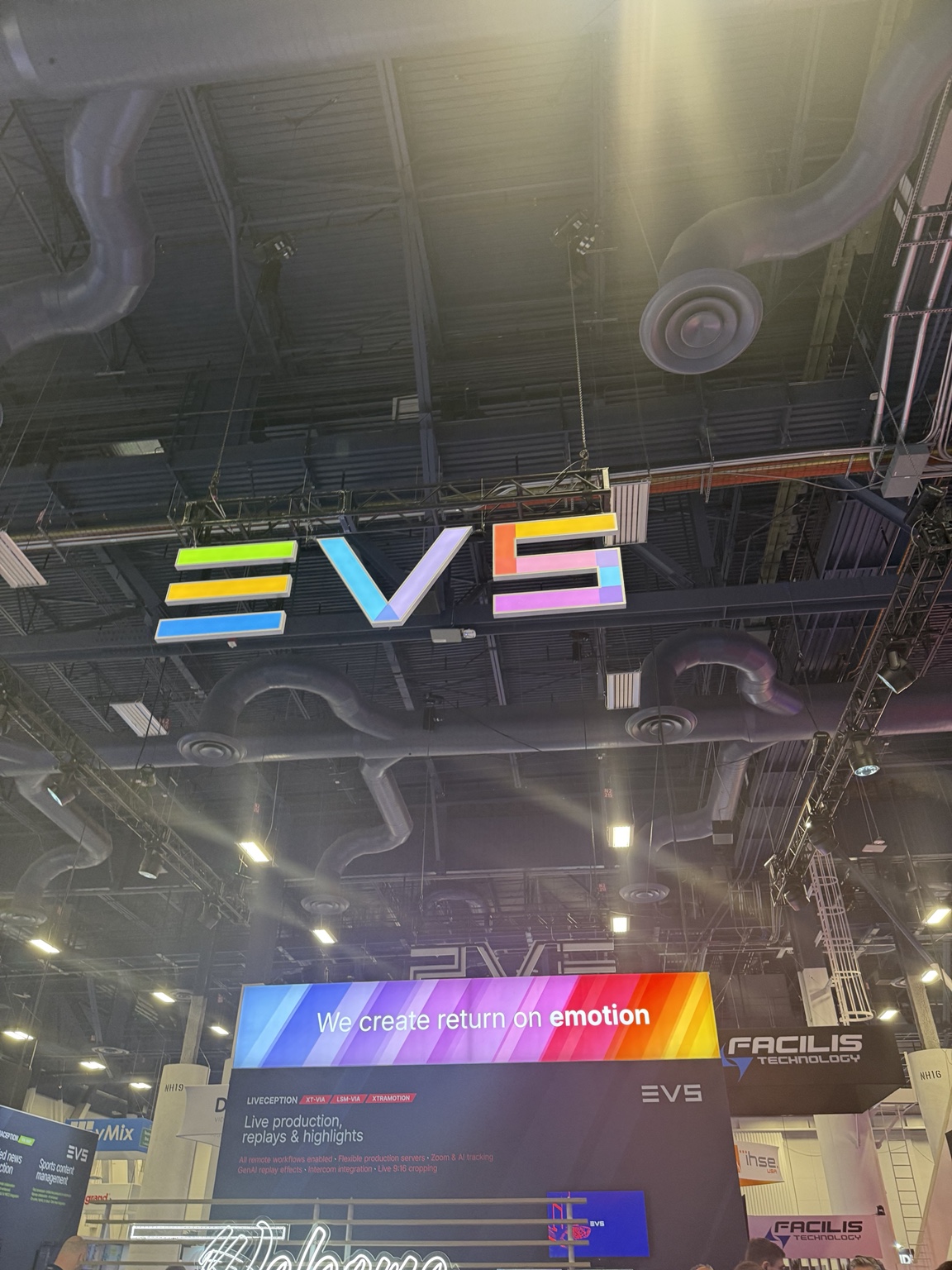
EVS introduced a positioning framework worth noting: “return on emotion.” It reflects a shift in how the industry is measuring success. Reach and volume remain relevant metrics, but engagement, emotional resonance, and audience response are now part of the performance conversation.
High-speed production systems and data-driven insights aren’t just operational tools anymore. They are storytelling infrastructure. The goal is not simply to produce content faster. It’s to produce content that performs more meaningfully, at scale.
When Data Becomes the Story
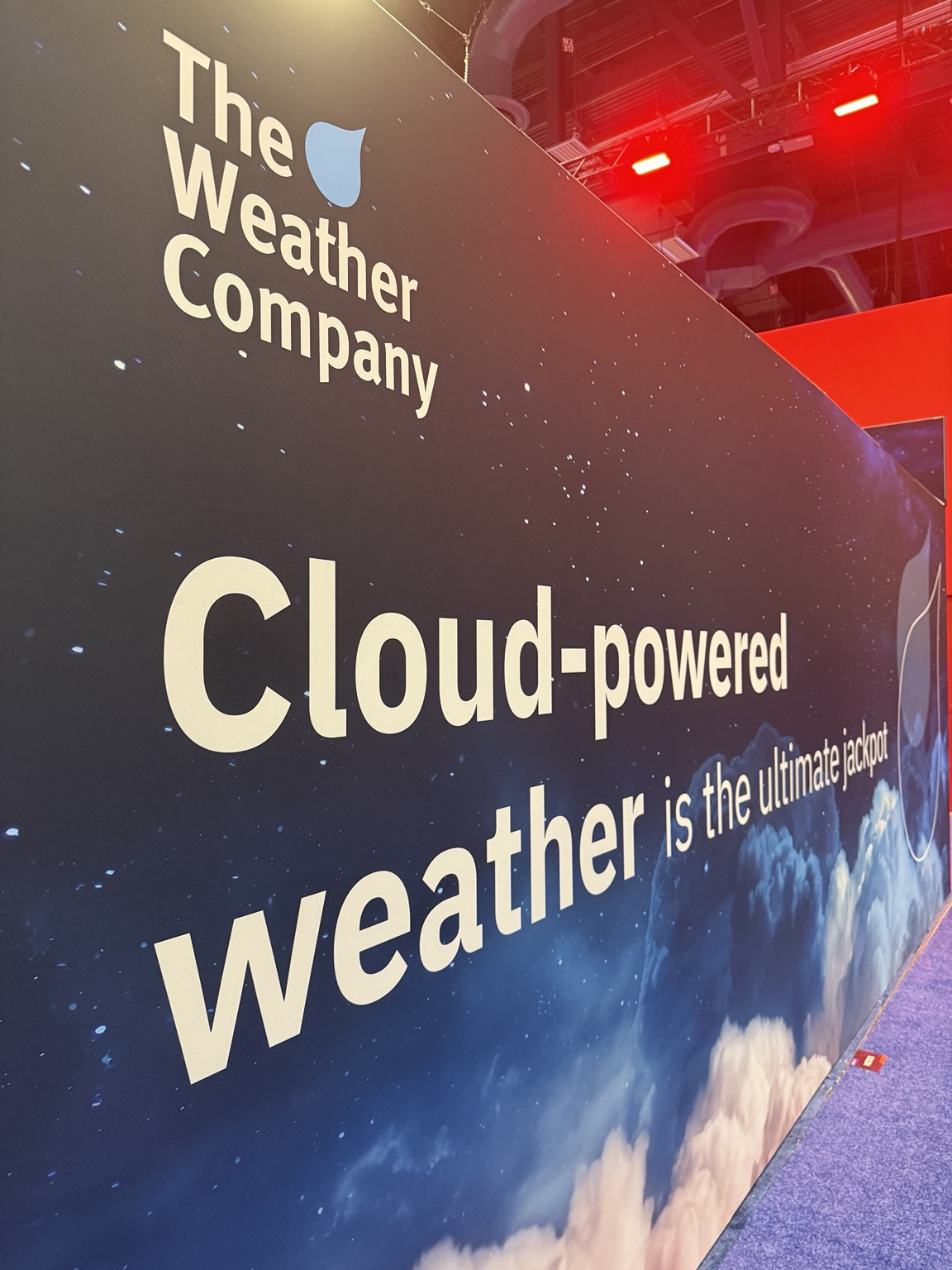
The Weather Company reinforced a broader shift that extends well beyond broadcasting. Weather, historically a purely informational product, is being repositioned as a narrative tool powered by cloud infrastructure and predictive analytics. Data is no longer just operational input. In the right hands, it’s the story itself.
That distinction has implications across every sector. The ability to transform raw data into compelling, real-time content is quickly becoming a competitive separator for media organizations, brands, and agencies alike.
The Distributed Production Standard
Remote production and cloud-based collaboration are no longer experiments or pandemic-era adaptations. They are the standard operating model. Platforms like Iconik are enabling teams spread across locations, time zones, and production environments to access media instantly, collaborate in real time, and maintain project consistency without centralizing their operations. The distributed model has gone from contingency to competitive advantage.
The Alter New Media Perspective

NAB Show 2026 confirmed what has already been happening.
Content creation is now an expectation, not a differentiator. Volume alone no longer separates leading organizations from the rest. What separates them is the quality of the systems behind the content: how assets are structured, how data is activated, how workflows scale, and how stories reach the right audiences without losing context along the way.
At Alter New Media, this is exactly where our work is headed: the creator economy broadcasting at the speed of light. We are building toward content ecosystems that are scalable, operationally sound, data-informed, and emotionally driven. The future of media belongs to those who build the infrastructure that keeps it working continuously. Contact us today for revenue-generating infrastructure and distribution opportunities for your original content.
Read more about Alter New Media in entertainment: Alter New Media sponsors GainesCon
© 2026 Alter New Media Las Vegas, NV | alternalewmedia.com